

Lost, Divorced, or Displaced? The Unexpected Gift of Not Knowing Who You Are Anymore
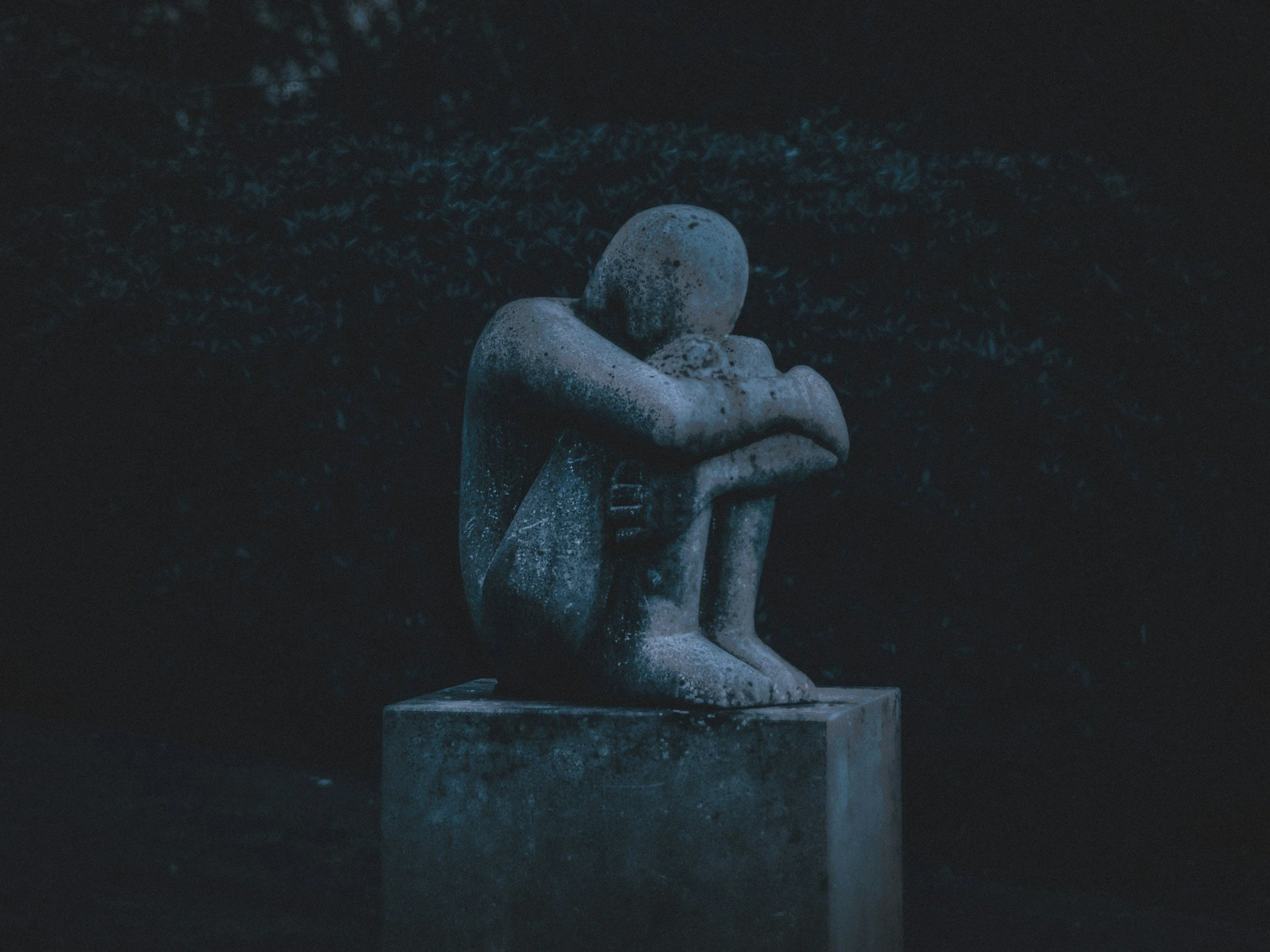
"I don't know who I am anymore."
If you have said this recently, or felt it without words, you know the terror that comes with it. The ground beneath you has disappeared. Everything you thought defined you is gone or changed beyond recognition.
Maybe it is divorce. Maybe it is job loss. Maybe you have moved countries and feel like a stranger in your own life. Maybe your kids left home and suddenly you don't know what you are for. Maybe you achieved the goal you spent years working toward and realized it did not make you feel the way you thought it would.
@kmitchhodge
Whatever caused it, you are standing in the rubble of your old identity, looking around at the debris, wondering: If I am not that person anymore, then who am I?
Here is what nobody tells you: this is exactly where transformation begins.
When Everything You Thought You Were Falls Apart
I know this place intimately. When I left my 11-year corporate career after burning out, I did not just leave a job. I left my entire identity.
I worked at LinkedIn. I was high performer. The reliable one. The person who had it together. And then I wasn't. I would go to dinner parties, and people would know what to say to me during the couple of years when I focused on my recovery, and training to make a career conversion into Leadership Coaching. I would get awkward silence, or jokes about what I may be up to. At the time it hit me hard. A majority part of my identity came from my work. And when that was gone, I felt so lost and worthless.
For months, I felt completely unmoored. I would wake up and not know what I was supposed to be doing. Not in a "what is on my calendar" way, in a "what is the point of this day if i am not working" way.
People would ask "What do you do?" and I would freeze. I did not have an answer anymore. Everything I had used to define myself was gone.
It felt like death. And in a way, it was. The death of who you thought you were. The death of the story you have been telling about yourself. The death of the identity you had built your entire life around.
That death is terrifying. But grieving this “workaholic part of me” was also necessary, a part of my higher evolution.
Why Identity Crisis Is Actually an Invitation
Our identities are constructed. We build them from:
What we do (our roles, careers, titles)
Who we are with (partner, parent, team member)
Where we are from (our country, city, culture)
What we have achieved (our accomplishments, status, recognition)
What others expect us to be (the good daughter, the responsible one, the strong one)
These are not inherently bad. But they are also not who you actually are. They are roles you have been playing. Costumes you have been wearing. Stories you have been performing.
When major life transitions strip these away, divorce ends the "married" identity, job loss erases the "successful professional" identity, displacement removes the "I belong here" identity, it can feel like you are disappearing.
But you are not disappearing. The false construction is crumbling. And underneath it is your actual self, waiting to be discovered.
This is why the grief is so intense. You are not just losing what happened. You are losing who you thought you were. And that loss is real and deserves to be mourned.
But once you have grieved, something else becomes possible.
What Opens Up in the Not Knowing
When you don't know who you are anymore, you are finally free to discover who you actually are. Think about it: when you were certain about your identity, you made choices that reinforced that identity. "I am a corporate executive, so I need to work 60-hour weeks." "I am a wife, so my needs come second." "I am from this country, so I must think this way."
Those identities shaped everything – what you wore, who you spent time with, what you prioritized, what you suppressed about yourself.
The not knowing creates space.
Space to try things you would never have tried before. Space to feel things you did not have permission to feel when you were busy being who you thought you should be. Space to discover parts of yourself that were buried under all those roles and expectations.
This is the unexpected gift. Not the one you asked for. Not the one you wanted. But a gift nonetheless.
How to Navigate the Void
Here is what actually helps when you are in this place:
1. Stop Trying to Figure It Out
Your mind desperately wants to create a new identity immediately. To fill the void with something – anything – so you feel solid again.
Resist this. The void is where the work happens.
Instead of asking "Who am I now?" try asking "What am I noticing?" or "What am I curious about?"
Notice what draws you. Notice what repels you. Notice what makes you feel alive versus what makes you feel contracted.
You are gathering data about yourself, not constructing a new identity to perform.
2. Let Yourself Grieve What Is Gone
You cannot skip this part. The old identity served you. It kept you safe. It gave you structure and meaning. Even if it was not authentic, it was familiar.
Grief is not weakness. It is your system acknowledging that something real has been lost.
Cry. Rage. Feel the emptiness. Don't rush past it or try to positive-think your way through it.
Through Compassionate Inquiry® work, I learned that we cannot access who we are becoming until we have fully mourned who we were.
3. Notice Who You Are When Nobody Is Watching
In the privacy of your own life, when there is no one to perform for, who are you?
What do you actually enjoy? What genuinely interests you? What makes you feel alive?
Not what you think you should enjoy. Not what looked good on your old identity. What actually resonates with you right now?
These small observations are breadcrumbs leading you home to yourself.
4. Expect Your Nervous System to Panic
Not knowing who you are triggers your nervous system's threat response. Your system equates uncertainty with danger.
This is why you might be experiencing anxiety, insomnia, or that constant jittery feeling. Your nervous system is saying "This is unsafe. We need to know who we are. We need certainty."
Regulate yourself. Use breath work. Move your body. Practice heart-brain coherence. These tools tell your nervous system: "We are safe even without certainty."
5. Trust the Rebuilding
You will not feel this unmoored forever. A new sense of self will emerge. But it will not be constructed the way the old one was.
This time, you are not building an identity to perform. You are uncovering who you actually are beneath all the roles and expectations.
That person is more authentic. More alive. More you.
The Person on the Other Side
I cannot tell you who you will be when you come through this. That is the whole point – you get to discover it. But I can tell you this: the person who emerges will be more real than the person who went in. Less defended. Less performing. Less concerned with being who others need you to be.
You will know yourself in a way you never did before. And that knowing will be unshakeable because it is not based on external roles or achievements. It is based on direct experience of who you actually are.
Your Self-Insights for This Week
If you are in the void right now, I invite you to notice:
What are you grieving most about your old identity?
When do you feel most like yourself right now, even without a clear identity?
What small thing are you curious about that you never had permission to explore before?
What would shift if you stopped trying to figure out who you are and just let yourself be in the not knowing?
You are not lost. You are being freed. Even if it does not feel like freedom yet.
Start there.
If you have a desire for making a change in your life, follow me on Youtube, LinkedIn and visit The Self-Science Lab for more info.
Join my Reset and Rise weekly workshops or book a discovery call to see if 1:1 coaching might support your transition.
Lauren Cartigny, a Life & Business Coach and Mindfulness Practitioner
Following a successful international corporate career in Sales for leading Tech firms, Lauren faced an unexpected burnout, life and health crisis. After re-building her life, transforming her career, and healing her body, heart, mind and remembering her connection to Spirit, Lauren has created transformative coaching and experiential workshops to support you in improving the quality of your life and your career by developing Self-Leadership skills.