

From Burnout to Balance: The Recovery Strategy Top Performers Actually Need
You have recognised the traits that make you vulnerable to burnout. Now what?
If you are a top performer who has hit your limit or who's teetering on the edge, you need to understand something critical: you cannot think your way out of burnout.
Your mind got you into this. Your body needs to lead you out.
@performance_medicine1
I learned this the brutal way. After 11 years of high performance in tech sales, I collapsed completely. Post-traumatic stress. Severe anxiety. My body forced me to stop because I wouldn't listen to the quieter signals it had been sending for years.
What saved me wasn't working harder at recovery. It was learning an entirely different way of being.
Why Traditional Recovery Advice Fails High Performers
Most recovery advice treats burnout like a time management problem. "Set boundaries." "Say no more often." "Take a vacation." "Practice self-care."
This advice isn't wrong. It's just incomplete.
High performers don't burn out because they are bad at time management. They burn out because their nervous systems are stuck in chronic activation. No amount of bubble baths or weekend getaways will fix a dysregulated nervous system.
You need to learn self-regulation. And that requires going deeper than productivity hacks.
What Self-Regulation Actually Means
Self-regulation is your ability to manage your nervous system's response to stress. It's not about controlling your emotions or "staying calm." It's about recognising when your system is activated and having tools to bring it back to baseline. The better you get at this, the faster you can bring your body back into a state of homeostasis where the body feels safe and resourced enough to heal itself.
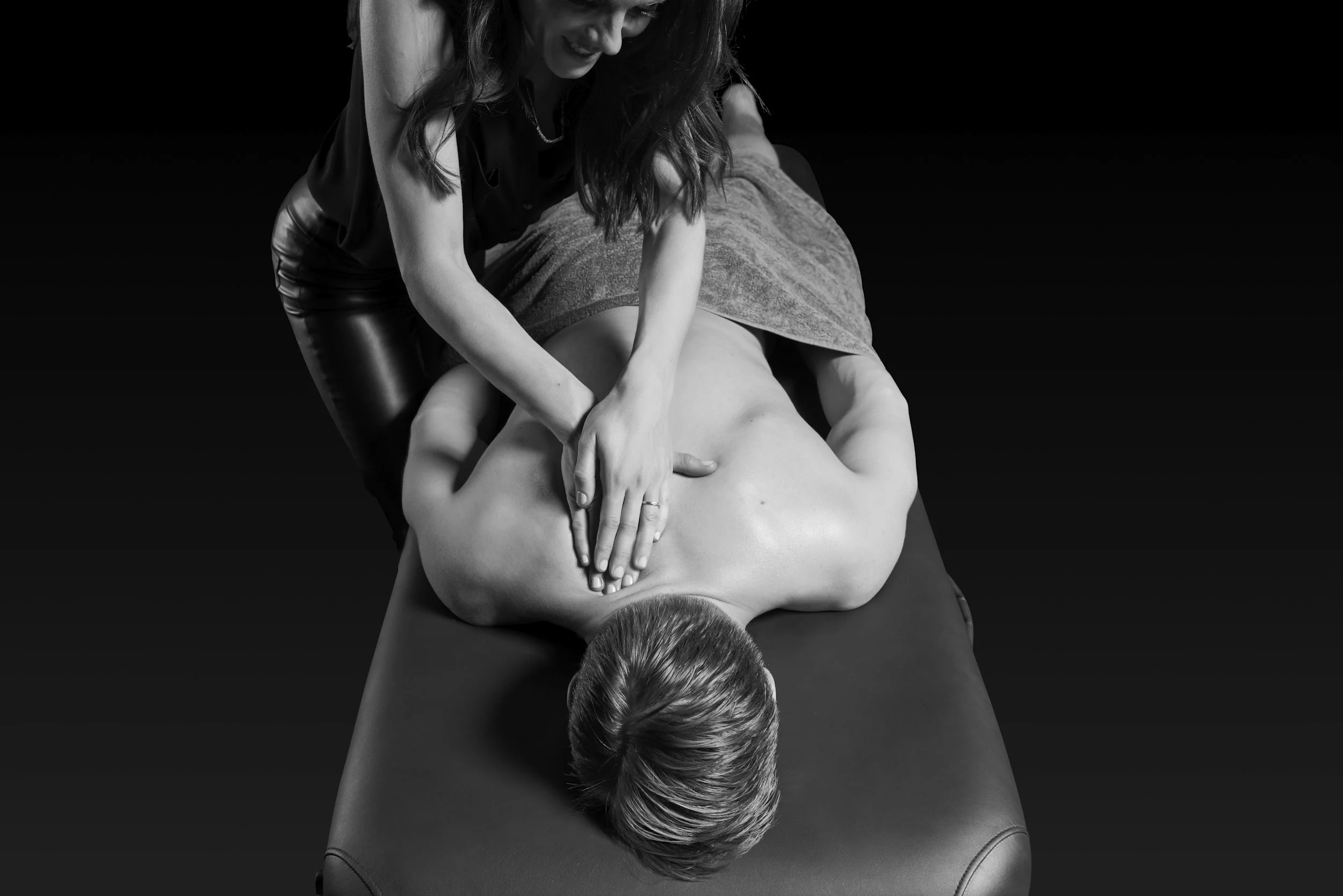
Think of it like this: elite athletes don't just train hard. They have sophisticated recovery protocols: ice baths, massage, sleep optimisation, heart rate variability monitoring. They understand that recovery is where adaptation happens.
You need the same sophistication for your nervous system.
Here's what actually works:
1. Reconnect to Your Body's Signals
Burnout happens because you have learned to override your body's warning signals. Recovery starts with relearning to feel them.
Try this practice: Set a timer for three random points in your day. When it goes off, stop and ask: What am I feeling in my body right now?
Notice tension. Notice your breath. Notice your heart rate. Notice fatigue.
Don't change anything. Just notice. You're rebuilding the connection you severed.
After a week of this, you'll start recognising earlier signals: "My shoulders are tight, so I need to move." "My jaw is clenched, so I'm more stressed than I realised." "My breath is shallow, I need to take a 5-minute break to breathe and regulate."
2. Learn Heart-Brain Coherence
This isn't woo-woo. HeartMath research shows that when your heart and brain are in coherence, a measurable physiological state, you access better decision-making, emotional regulation, and stress resilience.
Try this breathing practice: Heart-Focused Breathing™ Technique: The foundational technique where you focus attention on the area of the heart and breathe a little slower and deeper than usual (typically 5 seconds in, 5 seconds out). Stay with this for 3-5 minutes.
Do this daily. Especially before high-stakes situations. This creates the coherence your nervous system needs to function optimally.
3. Rewire Your Mind's Protective Patterns
Your perfectionism, your external validation seeking, your inability to rest, these aren't character flaws. They are protective patterns your nervous system created to keep you safe.
Through Compassionate Inquiry® and trauma-informed work, I learned to ask: What is this pattern protecting me from?
My drive to achieve wasn't just ambition. It was proving I was worthy of love. My inability to rest wasn't discipline. It was fear that if I stopped performing, I'd be abandoned. This is typical of how the mind creates rules to avoid pain in the future, all from some instances which happened in childhood, and can define our behaviour unconsciously for our entire lives! This is why if we want to elevate our quality of life we need to better understand our unconscious conditioning so we can override it when it doesn't serve us.
Your work: Notice when perfectionism arises. Instead of judging yourself, get curious. What am I actually afraid of right now? The awareness alone begins to loosen the pattern's grip.
4. Build Recovery Into Your Rhythm
Elite athletes periodise their training, intense periods followed by recovery periods. You need to find a way to create a recovery system for yourself for day-to-day life to create more resources within when you need to call into recovery mode more consciously.
This doesn't mean working less. It means working differently.
Micro-recovery throughout the day: Take actual lunch breaks away from your desk. Move your body between meetings. Practice 3 minutes of coherence breathing before calls.
Daily recovery rituals: 10 minutes of movement that discharges stress. Time without screens. Connection with someone who sees you, not just your output.
Weekly reset: One day where you're not "productive." Where your worth isn't tied to achievement.
Regular deeper recovery: Extended time away where you completely disconnect. Not working from a different location. Actually unplugging.
5. Shift Your Identity Beyond Achievement
This is the deepest work. Your identity is fused with achievement because you learned early that's where your value lies.
Recovery requires asking: Who am I when I'm not performing?
This question will feel terrifying. That is how you know it's important.
Start small. Notice moments when you feel worthy without achieving anything. When you are laughing with a friend. When you're present with someone you love. When you're simply being, not doing.
These moments are evidence against the belief that achievement equals worth. Collect them. They are rebuilding your identity.
This Doesn't Mean You Get Less Done
Here's what I have learned from coaching high performers through recovery: when you work from a regulated nervous system instead of a survival state, you actually perform better.
Your decision-making improves. Your creativity unlocks. Your relationships strengthen. Your resilience builds.
You're not sacrificing performance. You're finally accessing sustainable performance.
But you have to be willing to work differently. To value regulation as much as optimisation. To treat recovery as seriously as you treat achievement.
The Truth About Behaviour Change
Most people only make these changes after burnout forces them to. Pain is a powerful motivator.
But you don't have to wait for collapse. If you're reading this and recognising yourself, you are already aware. That's the first step.
The second step? Decide that you are worth investing in, not because of what you produce, but because you're a human being who deserves to feel well. Because you only get one body in this lifetime!
That decision changes everything.
Your Self-Insights for This Week
As you begin this work, notice:
What does your body feel like when you're regulated versus dysregulated?
Which of these practices feels most accessible to you right now?
What resistance comes up when you consider building in recovery?
What would change if you treated yourself with the same care elite athletes receive?
You are not a machine. You're a highly sophisticated organism that requires care, attention, and recovery to function optimally.
Treat yourself accordingly.
If you have a desire for making a change in your life, follow me on Youtube, LinkedIn and visit The Self-Science Lab for more info.
Join my Reset and Rise weekly workshops or book a discovery call to see if 1:1 coaching might support your transition.
Lauren Cartigny, a Life & Business Coach and Mindfulness Practitioner
Following a successful international corporate career in Sales for leading Tech firms, Lauren faced an unexpected burnout, life and health crisis. After re-building her life, transforming her career, and healing her body, heart, mind and remembering her connection to Spirit, Lauren has created transformative coaching and experiential workshops to support you in improving the quality of your life and your career by developing Self-Leadership skills.