

5 Ways to Find Inner Peace When Your Nervous System Won't Let You Rest
"Just meditate." "Practice gratitude." "Get outside more."
If you're struggling with anxiety or overwhelm, you've probably heard all the advice about finding inner peace. Maybe you've tried it. Downloaded the meditation app, started a gratitude journal, go for walks in nature.
But here's what nobody tells you: you can't think your way into inner peace when your nervous system is dysregulated.
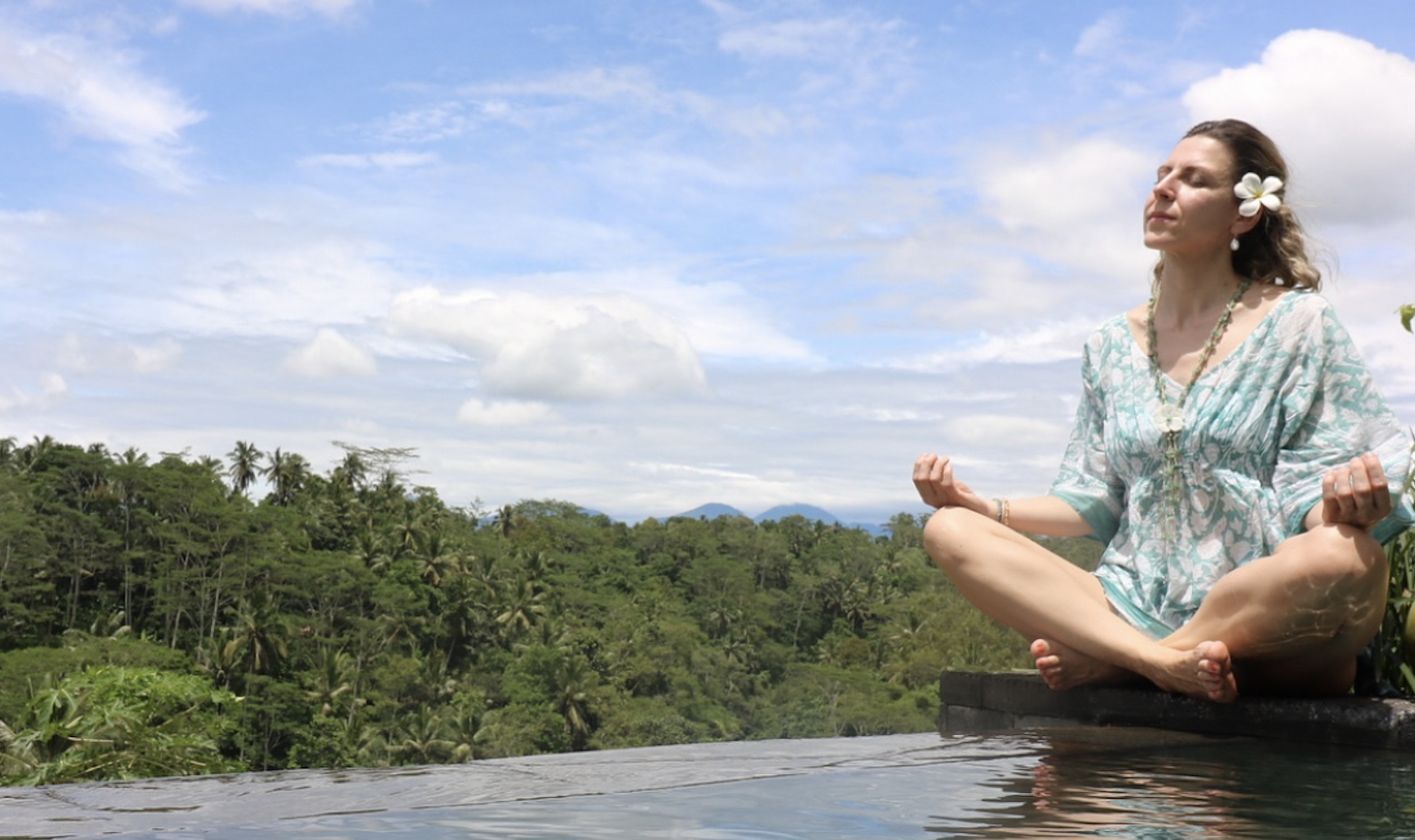
Lauren Cartigny
I learned this during my own burnout recovery. I was doing all the "right" things, meditating, journaling, exercising but my body was still stuck in survival mode. My heart raced. My mind spiraled. My body would burn all over for no reason. I couldn't settle, no matter how many deep breaths I took.
That's when I discovered something crucial: inner peace isn't just a mental state. It's physiological. And until we learn to regulate our nervous system, all the mindfulness techniques in the world will only scratch the surface.
What Inner Peace Actually Is
Inner peace isn't about eliminating stress or living in constant calm. That's not realistic.
Real inner peace is this: the ability to return to regulation after stress, rather than staying stuck in survival mode.
It's when external situations don't hijack your entire system for hours or days. It's when you can feel the wave of anxiety, let it move through you, and come back to center.
Most of us spend our lives being unconscious about being in a low-grade hypervigilance, scanning for danger, preparing for the worst, never fully landing in the present moment. That constant activation? It's exhausting. And it's stealing your peace.
Why Traditional Advice Often Misses the Mark
You've heard the standard list: meditate, practice gratitude, exercise, get in nature. All of these things work. But only if your nervous system is regulated enough to receive them.
When you're in chronic stress, your body isn't looking for gratitude. It's looking for safety. And until it feels safe, it won't let you rest.
This is why someone can tell you to "just relax" and it feels impossible. Your nervous system isn't being difficult. It's doing what it was designed to do: keep you safe from perceived threats.
The question isn't "How do I force myself to be peaceful?" It's "How do I teach my nervous system that it's safe to rest?"
5 Practices That Actually Create Regulation
1. Heart-Focused Breathing (Not Just Any Meditation)
What actually changes your physiology is getting your heart and brain into coherence, a measurable state where your heart rhythm becomes smooth and ordered.
Try this: Place your hand on your heart. Breathe in for 5 counts, out for 5 counts. As you breathe, recall a moment of genuine appreciation, a person you love, a place that brings peace. Stay with that feeling while you breathe for 3-5 minutes. Notice the difference.
I work with HearthMath methods to guide heart-coherent practices.
2. Self-Compassion That Goes Beyond Positive Thinking
Self-compassion isn't just being nice to yourself. It is not judging yourself as you start to observe your patterns to build self-awareness. This can lead to recognising that your nervous system responses over time: the anxiety, the shutdown, the overwhelm. These aren't character flaws. They are protective coping adaptations from childhood.
When I was burning out, I judged myself constantly for not handling stress "better", not seeing it coming, not recovering faster. That judgment activated my stress response even more.
Notice this week: When you catch yourself in self-criticism, pause. Place your hand on your heart. Say: "This is hard. I'm doing the best I can with the resources I have." Your nervous system is listening to how you speak to yourself.
3. Movement That Completes the Stress Cycle
When we're stressed, our bodies prepare to fight or flee. But in modern life, we rarely actually move. Movement is life! When we stop moving, we start dying.
Move: When you have been sat for too long, or feel struggling, or low, try one of these: shaking, dancing, yoga, Qi Gong. These practices allow your body to discharge stored stress energy. This doesn't have to be intense: Even 10 minutes of putting on music and moving however your body wants to move can create a physiological shift. Let yourself shake. Your body knows what it needs.
4. Nature as Nervous System Medicine
Nature provides something your nervous system desperately needs: sensory predictability and safety cues. The sounds of birds, sun on your skin, trees moving in wind, these signal to your nervous system that you are not in immediate danger. Meanwhile, screens keep your system activated and vigilant, constantly scanning for threats.
Start small: Five minutes outside without your phone. Notice the temperature. Listen to sounds. Let your eyes soften and take in the wider view rather than focusing on a narrow point.
5. Gratitude as a Felt Experience
Real transformation happens when gratitude becomes a felt experience in your body, not just a thought in your mind. When we genuinely feel appreciation, it changes our heart rhythm and shifts us into coherence. The mind cannot experience negative emotion when it is in contact with gratitude.
Try this: Don't just think "I'm grateful." Actually feel into a moment when your body feels strong, or relief after recovering from illness. Let yourself feel that appreciation in your chest for 30 seconds. The longer you sustain the feeling, the more it rewires your system.
The Truth About Peace
Inner peace isn't something you achieve once and keep forever. It's a practice of returning. Returning to regulation after stress. Returning to your body after living in your head. Returning to presence after getting lost in worry.
What changes over time isn't that stress disappears. It's that you develop the capacity to move through it without getting stuck there. You learn to come home to yourself.
That's what self-leadership actually is. It is a form of self-regulation practice of your energy, thoughts, feelings and actions.
Your Self-Insights for This Week
Which practice feels most accessible to you right now? Start there.
When does your nervous system feel most activated? What are your early warning signs?
What's one small practice you could commit to this week – not as another "should," but as an act of kindness toward your nervous system?
You are not trying to fix yourself. You're learning to work with your system, not against it.
One practice. One moment of regulation. That's enough.
Be kind to yourself this week.
If you believe change is possible, and are curious about how I can support you in your transformation, follow me on Youtube, LinkedIn and visit The Self-Science Lab for more info.
Join my Reset and Rise weekly workshops or book a discovery call to see if 1:1 coaching might support your transition.
Lauren Cartigny, a Life & Business Coach and Mindfulness Practitioner
Following a successful international corporate career in Sales for leading Tech firms, Lauren faced an unexpected burnout, life and health crisis. After re-building her life, transforming her career, and healing her body, heart, mind and remembering her connection to Spirit, Lauren has created transformative coaching and experiential workshops to support you in improving the quality of your life and your career by developing Self-Leadership skills.